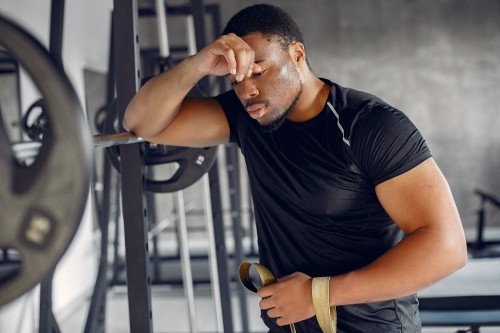
Regular exercise is crucial for maintaining a healthy weight, but there’s a common misconception that more intense or prolonged workouts automatically lead to better health outcomes. Fitness specialists caution that pushing the body beyond its capacity to recover can actually hinder fat loss and harm one’s overall well-being. This condition, known as overtraining, happens when exercise intensity or volume surpasses the body’s ability to recuperate adequately, leading to persistent stress rather than fitness improvements. This stress can make it more challenging to burn fat, build muscle, and keep energy levels stable.
Overtraining can manifest through various warning signs. If you notice that your fat loss or strength gains have plateaued, or if you’re experiencing poor sleep quality, constant fatigue, or a lack of motivation, these could be indicators. Additional signs include increased anxiety or irritability, reduced libido, a higher resting heart rate, or slower recovery after workouts. When the body undergoes prolonged physical stress, cortisol levels—the primary stress hormone—can remain elevated, leading to slowed fat loss, increased fat storage, particularly in the abdominal area, muscle breakdown, reduced testosterone, impaired thyroid function, and delayed recovery.
The combination of daily life stressors, such as work pressures, lack of sleep, and emotional strain, can compound exercise-induced stress, further taxing the body’s hormonal system. To prevent overtraining, a balanced approach to fitness is essential. Experts suggest engaging in strength training three to four times a week with appropriate intensity. Ensuring adequate protein intake and overall caloric consumption is also important for fueling the body. Prioritizing quality sleep and maintaining a regular sleep schedule support recovery and performance.
Incorporating recovery activities into your routine can also make a significant difference. These activities might include walking, stretching, mobility exercises, and relaxation techniques. If, despite maintaining a healthy routine, progress stalls, it might be wise to consult a medical professional, especially if a hormonal imbalance is suspected. Achieving healthy fat loss relies on a combination of consistent effort, balanced nutrition, effective training, and sufficient recovery. Allowing the body time to rest is crucial for adaptation, recovery, and enhanced long-term performance.