
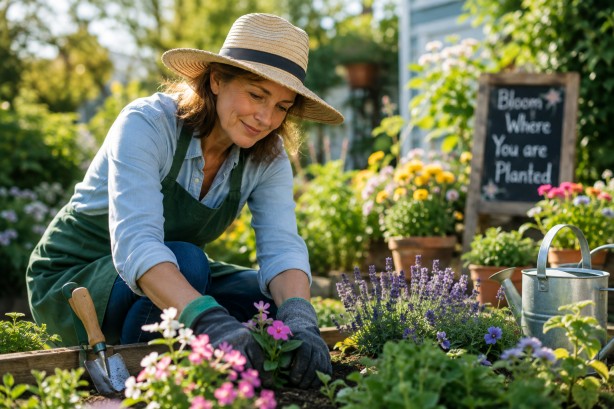
Gardening is often regarded as a soothing pastime, yet its impact extends far beyond simply cultivating an attractive garden. Engaging in regular gardening activities offers a blend of physical exercise, exposure to the outdoors, sensory involvement, and a deeper bond with nature, all of which significantly enhance overall well-being. Research underscores the many advantages gardening provides for both physical and mental health, emphasizing its potential to promote a healthier lifestyle.
One key benefit of gardening is its positive effect on cognitive health. The activity encompasses movement, planning, and the engagement of multiple senses. The process of selecting plants, remembering care routines, and handling soil offers continuous mental stimulation. Studies link regular gardening to improved cognitive function, likely due to the combined benefits of physical activity, mental engagement, and mood enhancement.
In addition to cognitive benefits, gardening can be an effective way to alleviate stress. Being surrounded by greenery fosters a peaceful atmosphere that may help reduce stress levels. Activities like watering, pruning, and planting provide a respite from everyday pressures. Lower stress is associated with improved health, making gardening a valuable component of a balanced lifestyle. Furthermore, gardening fosters mental well-being by instilling a sense of purpose and achievement. The process of nurturing plants and witnessing their growth encourages outdoor activity, diverting attention from daily distractions. Research indicates that gardening correlates with better mood, reduced anxiety and depression, and greater life satisfaction.
Gardening also promotes physical activity by incorporating movement into routine tasks. Activities such as digging, planting, and carrying soil engage various muscle groups, increasing daily physical activity. This is particularly beneficial for those who lead sedentary lives, as gardening offers a practical way to stay active while completing meaningful tasks. Additionally, spending time outdoors, as gardening naturally encourages, exposes individuals to sunlight, aiding in the production of vitamin D, which is essential for bone health, immune function, and overall wellness. It’s important, however, to balance sun exposure with appropriate protection.
Ultimately, gardening supports long-term health by combining physical activity, stress reduction, outdoor exposure, and healthier lifestyle choices. Among older adults, regular gardening is linked to improved cardiovascular health and reduced risks of lifestyle-related conditions. While alone it does not assure longevity, incorporating gardening into a balanced lifestyle may promote healthier aging. Importantly, gardening doesn’t require vast space or expertise; even growing a few herbs or maintaining indoor plants can provide significant benefits. This simple activity offers an opportunity to move, relax, and connect with nature, making it an accessible way to integrate physical activity, outdoor time, and mental relaxation into daily life.