The diplomatic relationship between Iran and Western nations remains tense as global leaders continue to seek resolutions to ongoing conflicts. Recently, Iranian President Masoud Pezeshkian delivered a forceful address at the United Nations General Assembly, where he criticized the United States and affirmed Tehran’s refusal to yield to external pressures. This speech has prompted calls for a shift in Iran’s diplomatic strategy.
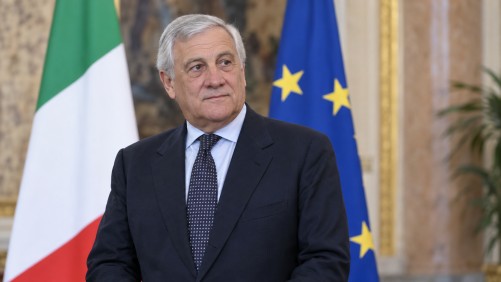
In response to President Pezeshkian’s remarks, Italy’s Deputy Prime Minister and Foreign Minister, Antonio Tajani, has urged Iran to reconsider its approach. Tajani characterized the Iranian president’s address as “very hard” and called for Tehran to adopt a less confrontational stance. He emphasized that such a change could facilitate diplomatic engagement and aid in defending Iran’s positions on the international stage.
Italy, as part of its foreign policy, supports diplomatic efforts aimed at resolving tensions involving Iran, particularly concerning its nuclear ambitions. Tajani highlighted the importance of Iran abandoning its pursuit of nuclear weapons, suggesting that a change in tone from Tehran could help maintain open diplomatic channels with Western countries.
The broader context of Iran’s relationship with the West includes longstanding disputes over its nuclear program and regional influence. Tajani’s appeal reflects a continued desire among European nations to de-escalate tensions through dialogue and negotiation, rather than confrontation.
As global leaders and diplomats weigh their next steps, Italy’s call for a diplomatic solution underscores the complexities of international relations with Iran. Whether Tehran will adjust its posture in response to such appeals remains to be seen, but the situation continues to be closely monitored by the international community.