Tensions between the United States and Iran continue to simmer as both nations address the complex geopolitical landscape during the United Nations General Assembly. The Strait of Hormuz, a critical waterway for global oil shipments, remains a focal point of contention, with Iran demanding the lifting of military and economic pressures to ensure its reopening. Amidst these pressures, talks between the two countries show a glimmer of diplomatic opportunity.
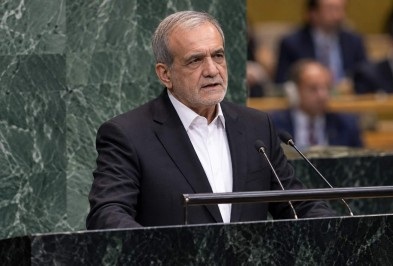
Iranian President Masoud Pezeshkian, speaking at the UN, criticized U.S. President Donald Trump for his stance on Iran but maintained that Tehran is open to dialogues, provided they are free from threats or coercive measures. This statement followed Trump’s speech suggesting the possibility of increased U.S. actions against Iran, alongside an opening for renewed discussions.
On the sidelines of the UN gathering, Iranian Foreign Minister Abbas Araghchi met with U.S. special envoy Steve Witkoff for a three-hour negotiation session mediated by Qatar. The discussions centered on Iran’s stipulations for ending hostilities and easing the economic blockade it faces. Key demands from Tehran include the cessation of military threats, the lifting of the naval blockade, and the release of frozen Iranian assets.
Pezeshkian emphasized Iran’s desire for a peaceful nuclear program, refuting aspirations for nuclear weapons, and urged regional nations to prioritize collaborative security measures over dependency on external powers. He accused the United States and Israel of aggressive actions towards Iran, justifying Tehran’s responses as self-defensive in the face of sanctions and export restrictions.
Despite the deep-rooted disagreements over sanctions, military presence, and Iran’s nuclear ambitions, the recent engagements suggest that diplomatic channels remain viable. The ongoing dialogue reflects a cautious optimism that could eventually lead to easing tensions if mutual conditions are met.