
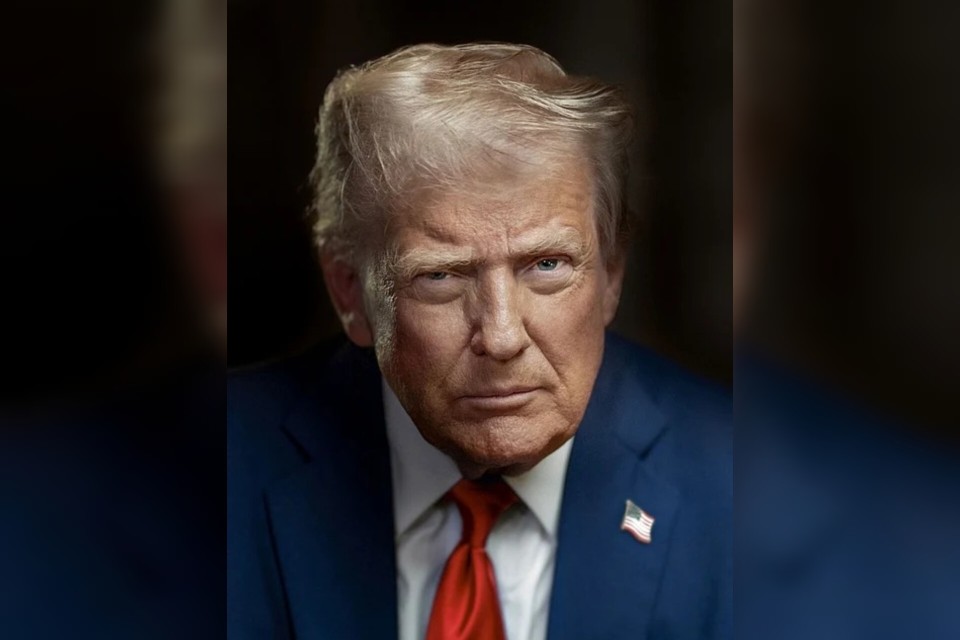
In a significant diplomatic development, U.S. President Donald Trump has announced that a peace accord with Iran is nearing finalization after extensive negotiations involving key Middle Eastern nations, Pakistan, and Israel. Trump indicated that the deal, aimed at reopening the Strait of Hormuz and resolving the conflict initiated earlier this year, is nearly settled, with only minor details pending before a formal declaration can be made. The talks reportedly included influential voices from Saudi Arabia, Qatar, Turkey, Egypt, the UAE, Jordan, Bahrain, and Pakistan, alongside Israeli Prime Minister Benjamin Netanyahu.
The proposed agreement, however, has encountered resistance from Iranian officials, particularly concerning the control of the Strait of Hormuz. Iranian representatives have emphasized that control over the strategic passage would remain in their hands, maintaining authority over shipping routes and necessary permits. Despite these disputes, the dialogue marks a notable attempt at easing tensions in the region.
Pakistan’s Prime Minister Shehbaz Sharif expressed optimism over the diplomatic headway, stating Pakistan’s eagerness to host further discussions between the United States and Iran. Pakistan’s military chief, General Syed Asim Munir, has reportedly been instrumental in facilitating these efforts, having recently engaged with Iranian leaders in Tehran to foster progress.
The draft proposal reportedly includes a 60-day extension of the current ceasefire, the reopening of the Strait of Hormuz without imposing tolls, and a relaxation of restrictions on Iranian oil exports. Additionally, it proposes the resumption of talks about Iran’s nuclear ambitions. In exchange, the United States might ease constraints on Iranian ports and release Iranian assets that have been frozen as part of the broader agreement.
While these diplomatic efforts have sparked hope, tensions remain palpable. Trump cautioned that military actions could be considered if the negotiations do not succeed. Meanwhile, the proposed terms have stirred debate within Washington. Proponents view the agreement as a means to prevent further conflict and economic instability, while critics, including members of the Republican Party, are concerned that it might bolster Iran’s influence in the region, drawing parallels to former nuclear deals they have opposed.