
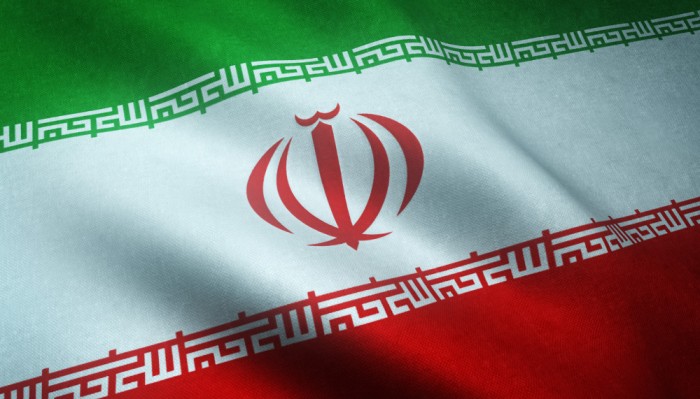
The diplomatic landscape between Iran and the United States faces another hurdle as Iran threatens to withdraw from ongoing peace talks. This decision comes after accusations that Israel has breached a ceasefire agreement through military maneuvers in Lebanon. Iranian Foreign Minister Abbas Araghchi emphasized that the ceasefire is comprehensive, extending to all areas, including Lebanon, and warned that violations would jeopardize the entire agreement. Tehran has pointed fingers at both Israel and the United States, holding them accountable for any potential fallout from renewed conflicts.
Meanwhile, U.S. President Donald Trump responded by noting that Washington had not yet received any official notification of Iran’s intention to pause negotiations. However, he remarked that such a pause might be manageable, asserting that the United States would continue its blockade of Iranian ports while refraining from immediate military escalation. In efforts to sustain the ceasefire, Trump engaged in talks with Israeli Prime Minister Benjamin Netanyahu and intermediaries associated with Hezbollah.
In a subsequent development, Lebanon confirmed that both Israel and Hezbollah had consented to a mutual cessation of hostilities, which included halting strikes on Beirut’s southern suburbs. Despite this, Netanyahu issued a stern warning that Israel would persist in targeting Hezbollah if the group continued its attacks on Israeli civilians. The situation further escalated as Israel issued evacuation alerts for specific areas within Beirut.
Iran has signaled that any significant Israeli assault on Beirut or its southern suburbs would provoke retaliatory attacks against Israeli targets. Additionally, Iranian officials have leveled accusations at the United States, alleging a failure to honor ceasefire commitments due to ongoing economic pressures and military actions. As a result, Tehran has indicated that discussions, particularly concerning its nuclear program, will remain suspended until broader security issues are addressed.
The increasing tensions in the region have cast a shadow of uncertainty, impacting global oil markets and heightening concerns over regional stability. The potential for further conflict underscores the fragile nature of the current ceasefire and the broader geopolitical challenges facing the Middle East.