
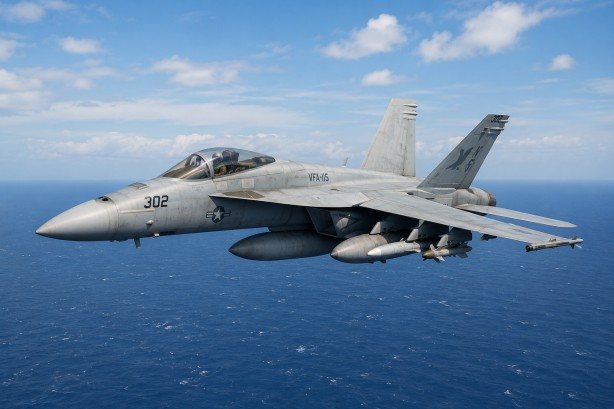
Tensions between the United States and Iran have escalated sharply, as both nations engage in a series of aggressive actions that threaten to deepen into a broader regional conflict. This development comes in the wake of a tentative agreement that had briefly offered hope for de-escalation just last month. The United States has conducted airstrikes on targets in and around Tehran, as well as other strategic locations, accusing a vessel of breaching its naval blockade. Iranian officials have reported casualties as a result of these strikes and have condemned the attacks, which included strikes perilously close to civilian areas.
In retaliation, Iran has launched missiles and deployed drones targeting nations in the region that host U.S. military installations. Countries such as Bahrain, Jordan, and Kuwait have been brought into the fray, as Iran’s military actions extend beyond its borders. Additionally, concerns over regional security have intensified following reports of drones operating near crucial Iraqi oil infrastructure, further escalating the situation.
The strategic Strait of Hormuz, a vital artery for global shipping, has also become a focal point of these heightened tensions. Iran has issued warnings against foreign intervention in this critical waterway and has hinted at the possibility of expanding its military operations should its essential infrastructure continue to be targeted. The ongoing disruptions in shipping through the Strait have sparked fears over global energy supplies, resulting in a surge in oil prices.
As the conflict unfolds, several nations are reassessing their maritime security protocols, and shipping activities through the Strait of Hormuz have experienced a slowdown due to the persistent hostilities. Meanwhile, diplomatic channels remain open, with efforts to revive negotiations in progress. However, despite these efforts, the starkly divergent positions held by Washington and Tehran officials cast doubt on the likelihood of achieving a durable ceasefire in the near future.