
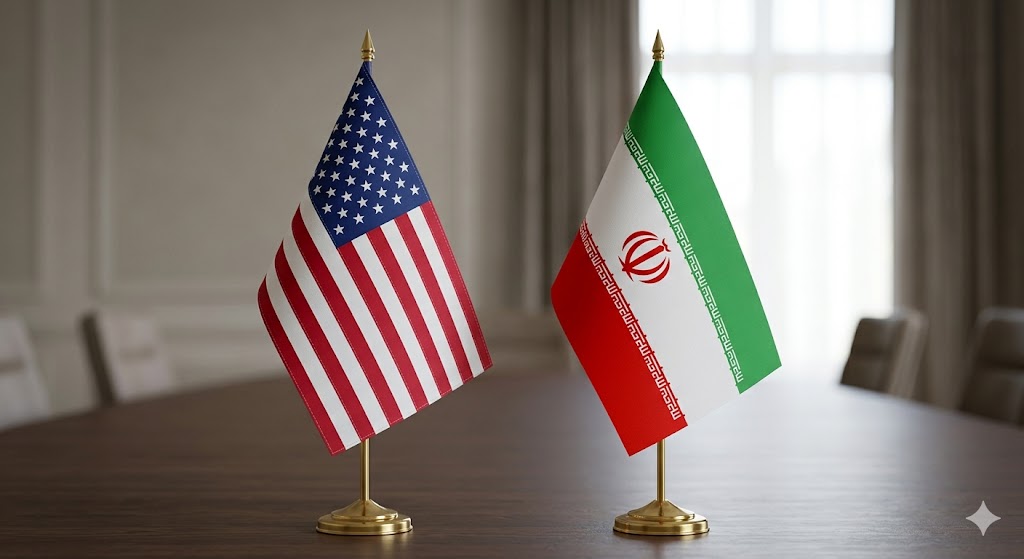
The anticipated diplomatic discussions between the United States and Iran, which were intended to further negotiations on Iran’s nuclear program and promote regional stability, have faced an unexpected delay. This postponement follows a significant surge in conflict between Israel and Hezbollah, disrupting the planned talks. The discussions were to be held in Switzerland and were set to expand upon a recently established memorandum that outlined a framework for future dialogue. However, the outbreak of violence along the Israel-Lebanon border necessitated the suspension of the meeting.
The escalation of hostilities erupted when Hezbollah launched attacks against Israeli forces stationed in southern Lebanon, resulting in casualties among Israeli soldiers. In retaliation, Israel conducted extensive airstrikes targeting Hezbollah positions in both southern Lebanon and the Bekaa Valley, leading to multiple deaths and injuries. This resurgence of violence has sparked concerns regarding the fragility of ceasefire efforts and has added complexity to ongoing diplomatic initiatives.
Despite the recent setbacks, both Washington and Tehran have expressed their interest in continuing negotiations. However, officials have indicated that the current conditions are not conducive to proceeding with talks at this moment. The situation underscores the challenges faced by diplomatic efforts aimed at easing tensions in the region and securing a long-term agreement on Iran’s nuclear activities.
In light of the renewed hostilities, international leaders are urging for restraint and calling on all parties to adhere to ceasefire commitments in order to prevent further escalation. The postponement of the peace talks adds an element of uncertainty to the ongoing efforts to de-escalate tensions and achieve a sustainable resolution.