
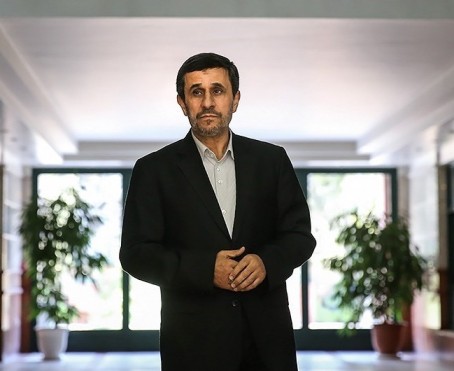
Speculation has emerged surrounding the involvement of the US and Israel in attempting to overthrow the Iranian regime, with allegations that Israel sought to empower Mahmoud Ahmadinejad, a populist figure. Ahmadinejad, who served as Iran’s president from 2005 to 2013, was known for his aggressive rhetoric against Israel. However, after a fallout with Supreme Leader Ali Khamenei, he repositioned himself as a critic of the regime and an advocate for the impoverished. It is alleged that Israel targeted a security facility near Ahmadinejad’s residence in Tehran to facilitate his escape from house arrest, although he reportedly became uncomfortable with this plan.
The authenticity of these claims is debated, with some viewing them as unlikely or as potential disinformation spread by Ahmadinejad’s supporters or Israeli intelligence. However, the situation highlights how the US and Israel may have miscalculated both the internal opposition to the Iranian regime and their capacity to destabilize it through military actions. Former US President Donald Trump, amid domestic discontent over rising fuel prices, was reportedly looking to disengage from the conflict but considered further strikes to compel Tehran to comply with his demands. Although he postponed an attack after discussions with Gulf leaders, Trump had an extensive conversation with Israeli Prime Minister Benjamin Netanyahu about possibly resuming hostilities.
During a press briefing, Trump expressed confidence in Netanyahu, stating, “Netanyahu will do whatever I want him to do.” He emphasized his preference for minimal casualties, saying, “Ideally I would like to see a few people killed as opposed to a lot. We can do it either way.” Meanwhile, Iran remains steadfast, rejecting US demands to halt its uranium enrichment activities while seeking to lift sanctions and end the blockade of the Strait of Hormuz. In response, the US has imposed a counter-blockade on Iranian ports to curtail oil shipments, primarily destined for China. The Islamic Revolutionary Guard Corps has warned of expanding the conflict beyond the region if the US resumes attacks.
Reports from Iranian media cast doubt on the New York Times story, denying that Ahmadinejad was ever under house arrest. Following the initial Israeli strikes on Tehran on February 28, there were rumors that Ahmadinejad had been killed. However, it was later confirmed that a security outpost near his residence in Narmak, north-east Tehran, had been hit, with satellite images corroborating the event. In the chaos that ensued, it was speculated Ahmadinejad might attempt a power grab. He reportedly sustained minor injuries while his bodyguards were killed in the assault.
Although Ahmadinejad is viewed as an improbable ally for Netanyahu due to his Holocaust denial and anti-Israeli stance, the dynamics of his political career reflect his complex relationship with Iran’s leadership. His authority waned significantly after clashing with Khamenei in 2011, and his rival Ali Larijani was subsequently elected as parliamentary speaker. Arrested in 2018 after criticizing his successor Hassan Rouhani’s government, Ahmadinejad has been barred from running for president again, including in 2024. Despite his reduced influence, he made headlines by visiting Hungary, a nation with strong pro-Israel ties, last June for a talk, signaling a shift in his international engagements since leaving office.