
One of the quieter but more consequential problems emerging from the US-Israel campaign against Iran is a communication problem. What the two governments say publicly does not always match what their own officials report privately — and the gaps between those two sets of statements are starting to create their own diplomatic consequences. The South Pars episode was a case study in exactly this kind of disconnect.
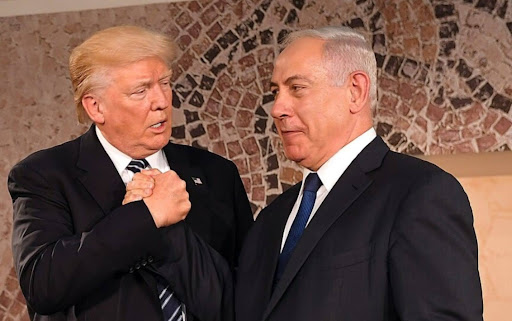
Trump went on record saying the US “knew nothing” about Israel’s plans to strike the South Pars gas field. Multiple sourced reports then indicated that Washington had prior knowledge of the attack and that targets are coordinated between the two militaries. US officials subsequently moved to affirm the partnership and stress American strategic independence — a combination that addressed the contradiction without fully resolving it. The effect was to raise questions about the reliability of public statements from both sides.
Israeli Prime Minister Benjamin Netanyahu confirmed that Israel acted alone — which is consistent with Trump’s desire to distance himself from the decision — but also agreed not to repeat the strike, suggesting American input was more consequential than “acting alone” implies. The sequence suggested a relationship in which formal public messaging and operational reality are maintained on parallel tracks.
That kind of arrangement may be standard in close military alliances, but it carries risks when it is exposed. Gulf allies, whose trust in Washington depends partly on transparent communication, were watching the South Pars fallout closely. The contradictions in the US response — claiming ignorance while coordinating targets — undermined confidence that Washington truly controls, or even fully understands, what its ally is doing.
Director of National Intelligence Tulsi Gabbard’s frank congressional testimony — acknowledging that the two leaders have different objectives — was notable precisely because it departed from the usual pattern of official alignment messaging. Whether that candor represents a deliberate policy of transparency or a moment of unguarded honesty is itself a question worth tracking. Either way, the communication problems underlying the alliance are increasingly difficult to manage out of public view.
