
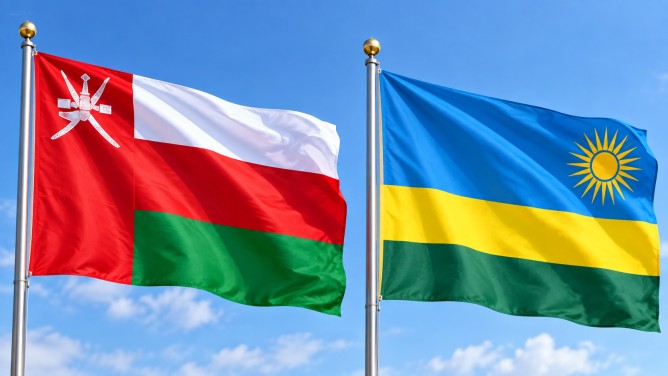
During a recent official visit to Oman by Rwandan President Paul Kagame, a series of agreements were finalized that could signal a new chapter in the economic and diplomatic relations between Oman and Rwanda. Held in the city of Salalah, the discussions led to the signing of two major agreements and six memoranda of understanding (MoUs), all aimed at fortifying the strategic partnership and exploring various avenues for economic collaboration.
Among the key agreements is a mutual visa exemption for holders of diplomatic, service, and special passports, a move expected to facilitate smoother travel and communication between the two nations. Another significant agreement focuses on eliminating double taxation, a step that could encourage more robust trade and investment activities by simplifying the financial transactions and obligations of businesses operating across the two countries.
The memoranda of understanding extend the scope of cooperation across multiple vital sectors, including agriculture, logistics, and land and dry-port development. These MoUs are designed to enhance supply chain services and labor cooperation, thereby bolstering the economic infrastructure and creating new opportunities for collaboration. Investment promotion is also a key focus, aiming to attract business and boost economic development in both nations.
Both Oman and Rwanda are keen on expanding their economic ties and have committed to activating and promoting investment opportunities that could lead to mutually beneficial outcomes. This renewed focus on economic engagement is intended to lay the groundwork for increased trade, investment, and business linkages, setting the stage for a more dynamic and interconnected partnership.
These agreements and MoUs represent a structured framework for collaboration, providing a clear roadmap for future interactions and projects. As both countries look towards the future, this strengthened relationship could pave the way for innovative ventures and deeper economic integration, benefiting not just the governments but also the businesses and citizens of Oman and Rwanda.