
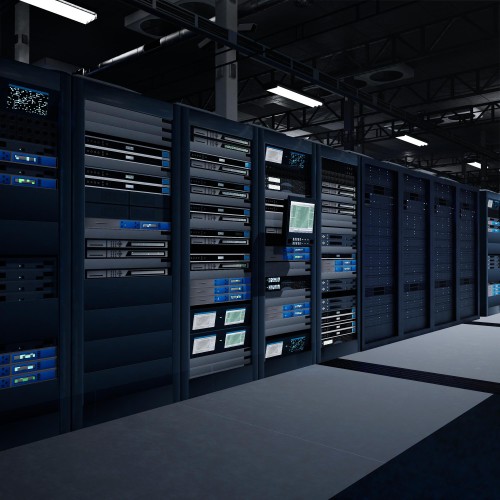
China has reclaimed the pinnacle position in the global supercomputer hierarchy with its latest technological marvel, the LineShine system, stationed at the National Supercomputing Centre in Shenzhen. This achievement underscores China’s significant strides in advancing its homegrown computing prowess. Despite regaining this prestigious spot, experts caution that it doesn’t equate to China surpassing the United States in the realm of artificial intelligence capabilities.
The LineShine supercomputer, which utilizes domestically engineered chips, outperformed the previous leading system from the United States. However, analysts have pointed out that these traditional supercomputer rankings primarily assess machines optimized for scientific calculations, not necessarily reflecting their efficiency in handling contemporary AI workloads. The world’s cutting-edge AI systems, often developed by major technology firms, are typically excluded from these evaluations, emphasizing the need for specialized chips and expansive data center infrastructures to support advanced AI computing.
China’s resurgence to the top of the supercomputing list symbolizes its commitment to bolstering self-reliance in chip design and computing technology. Nonetheless, the country faces ongoing challenges due to restrictions on accessing cutting-edge AI chips, which remain a significant hurdle for the advancement of its artificial intelligence initiatives.
The escalating competition between China and the United States in the field of advanced computing is marked by substantial investments from both nations. They are channeling resources into artificial intelligence, quantum technology, and next-generation computing systems, as each strives to secure a leading edge in these critical technological arenas.