
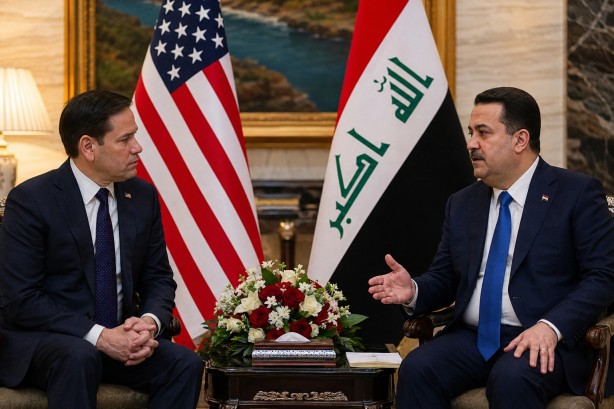
During a recent visit to Washington, Iraqi Prime Minister Ali Al Zaidi succeeded in reinforcing economic partnerships and bolstering diplomatic relations with the United States. The visit underscored Iraq’s intent to draw in foreign investment and enhance security collaboration, while also portraying Al Zaidi as a leader intent on reform. His engagements with US officials were positively received, signaling a potential shift towards a more cooperative future between the two nations.
Despite the optimism surrounding the talks, experts remain cautious about the hurdles Iraq faces in realizing its commitments. The complexities of Iraq’s internal political landscape, coupled with the significant presence of Iran-backed factions, present formidable challenges to enacting key security and economic reforms. These dynamics raise concerns about Iraq’s capacity to implement meaningful changes that could fulfill the promises made during the visit.
Moreover, the geopolitical balancing act that Iraq must perform cannot be overlooked. The country is situated in a region marked by escalating tensions, where maintaining favorable relations with both the United States and Iran is critical. Analysts emphasize that Baghdad must deftly manage its diplomatic ties with these influential powers to ensure stability and progress.
The agreements and discussions from Al Zaidi’s visit have indeed opened new avenues for collaboration, offering hope for a strengthened partnership. However, the ultimate success of these initiatives will largely hinge on Iraq’s ability to navigate its internal challenges and sustain harmonious relationships with its key international partners. The path forward will require both strategic diplomacy and effective governance to translate these opportunities into lasting benefits for Iraq.