

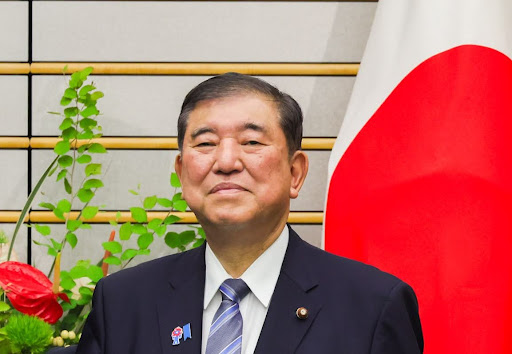
A brewing rebellion within the Liberal Democratic Party was the final straw for Prime Minister Shigeru Ishiba, who announced his resignation to avoid a political mutiny. His departure is the climax of weeks of plotting by disaffected MPs.
Ishiba’s leadership had been on shaky ground since his coalition lost its majority in the lower house. The second defeat in the upper house emboldened his critics, who began to openly question his ability to lead. They saw him as the primary obstacle to the party’s recovery.
The rebels were reportedly planning to force a vote on Monday to bring forward the party’s leadership election, a move that would have been a direct and humiliating challenge to Ishiba’s authority. Reading the writing on the wall, he chose to resign before that could happen.
This successful internal coup demonstrates where real power lies in the LDP—not necessarily with the official leader, but with the powerful factions that can make or break a premiership. Ishiba’s successor will need to be acutely aware of this dynamic to survive.
